Epoxy Material Testing Services in UAE: Ensuring Bond Strength, Chemical Resistance, and Durability
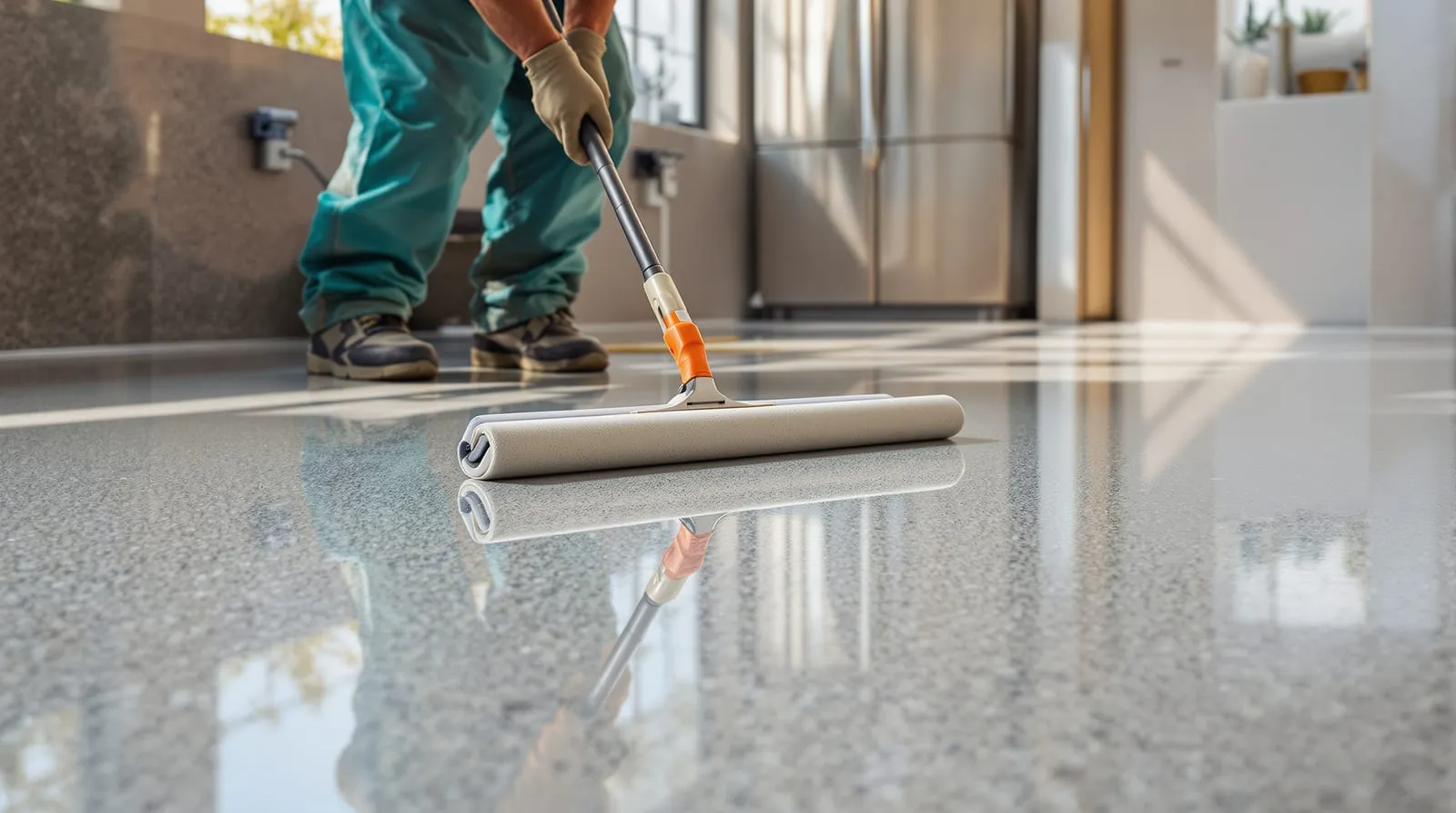
Epoxy materials are widely used in construction, industrial flooring, protective coatings, structural repairs, and adhesive applications. Their excellent bonding properties, chemical resistance, and durability make them suitable for demanding residential, commercial, and industrial environments. However, epoxy performance depends on formulation, mixing ratios, curing conditions, surface preparation, and the environment in which the material is used. Professional Epoxy Material Testing Services in UAE help manufacturers, contractors, suppliers, and project developers evaluate these properties and verify whether epoxy products meet the required performance specifications.
At Duroscope Testing Laboratory LLC, epoxy material testing supports the assessment of important physical, mechanical, and performance characteristics. Reliable testing helps businesses evaluate product quality, identify potential weaknesses, and make informed decisions about epoxy materials used in construction and industrial applications.
What Are Epoxy Material Testing Services?
Epoxy material testing involves evaluating the performance of epoxy resins, adhesives, coatings, repair compounds, and flooring systems under defined laboratory conditions. These assessments help determine whether an epoxy product is suitable for its intended application and whether it meets relevant technical requirements.
Epoxy materials are commonly used in the UAE for industrial flooring, concrete repair, protective coatings, bonding applications, and infrastructure maintenance. Testing helps assess their behaviour under specified mechanical loads, chemical exposure, and curing conditions.
The appropriate testing programme depends on the epoxy formulation, intended use, applicable standard, and project specifications.
Key Epoxy Material Testing Services in UAE
Epoxy Bond Strength Testing
Bond strength is one of the most important properties of epoxy adhesives, coatings, and repair systems. An epoxy product must develop a suitable bond with the substrate to perform effectively in service.
Bond strength testing evaluates the adhesion between epoxy materials and substrates such as concrete, metal, or other specified surfaces. Depending on the application, testing may include pull-off adhesion, tensile adhesion, or other appropriate methods.
The results help assess the bonding performance of epoxy products used for:
- Concrete repair and rehabilitation
- Industrial flooring systems
- Protective coatings
- Structural bonding applications
- Construction joints and specialised repairs
Proper surface preparation, substrate condition, application thickness, and curing conditions can significantly influence bond performance.
Epoxy Chemical Resistance Testing
Epoxy materials are often selected for environments where exposure to chemicals, cleaning agents, oils, or industrial substances may occur. However, resistance varies according to the epoxy formulation and the chemical involved.
Chemical resistance testing evaluates how an epoxy material responds to specified chemicals under defined exposure conditions. Depending on the test method, assessments may consider changes in appearance, hardness, adhesion, mass, or other relevant properties.
This testing is useful for epoxy coatings and flooring systems used in factories, warehouses, laboratories, workshops, and other industrial facilities.
The results should be interpreted against the expected chemical concentration, temperature, contact duration, and service conditions.
Epoxy Curing and Hardening Assessment
Curing is the chemical process through which an epoxy resin and its hardener react to form a solid material. Appropriate curing is essential for developing the intended mechanical properties and service performance.
Curing-related testing can evaluate properties such as curing time, hardness development, or other characteristics specified for the product. The selected method depends on the formulation and the performance requirement.
These assessments help manufacturers and contractors understand whether the material develops the required properties under specified conditions. They can also support quality control when investigating issues associated with incomplete curing or inconsistent application.
Mixing ratios, temperature, humidity, and application procedures can influence epoxy curing behaviour.
Epoxy Compressive Strength Testing
Compressive strength testing evaluates an epoxy material's ability to withstand compressive loading before failure under specified conditions.
This assessment may be relevant to epoxy grouts, repair compounds, resin-based flooring materials, and other products that experience compressive forces during service.
The results help assess mechanical performance against the manufacturer's declared values or applicable project specifications. Specimen preparation, curing, and test procedures must follow the selected standard.
Epoxy Tensile and Flexural Strength Testing
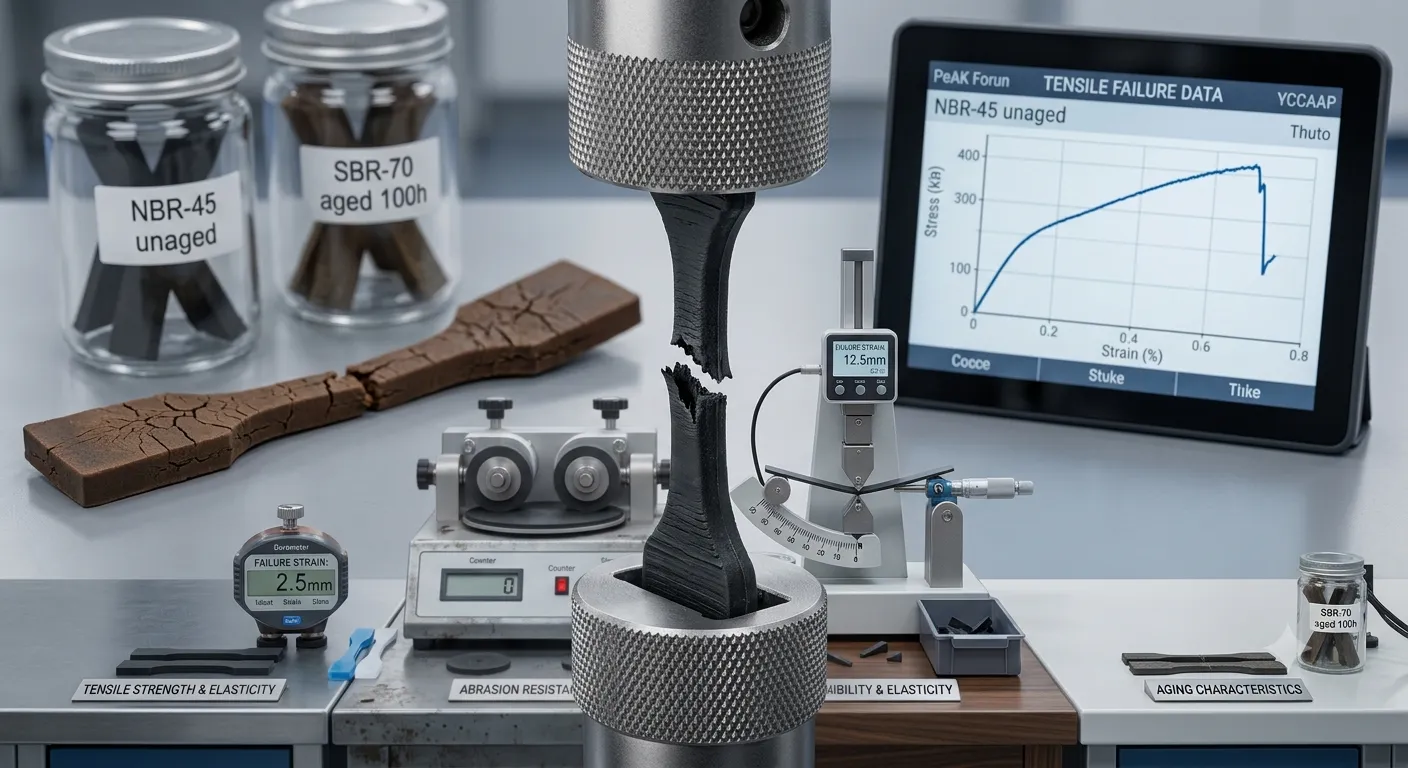
Epoxy products may experience tensile or bending stresses depending on their application. Tensile testing evaluates resistance to pulling forces, while flexural testing assesses behaviour under bending loads.
These tests help characterise the mechanical performance of epoxy resins, adhesives, repair materials, and other resin-based products.
The results can support product comparison, formulation development, and quality control. The appropriate test method depends on whether the material is evaluated as a neat resin, adhesive, coating, or formulated repair compound.
Epoxy Hardness Testing
Hardness testing evaluates a material's resistance to indentation under specified conditions. For epoxy materials, hardness can provide useful information about curing, surface characteristics, and consistency.
Depending on the product type, suitable methods may include Shore hardness or other recognised hardness tests.
Hardness assessment is useful for epoxy flooring, protective coatings, adhesives, and repair compounds where surface performance or material consistency is important. Hardness alone, however, does not establish overall durability or chemical resistance.
Epoxy Abrasion and Wear Resistance Testing
Epoxy flooring and coatings can experience repeated contact, friction, and movement of equipment or vehicles. Abrasion resistance testing evaluates how the material responds to surface wear under specified conditions.
This assessment helps determine whether an epoxy flooring or coating system is appropriate for its intended level of use. It can be particularly relevant to industrial floors, workshops, warehouses, commercial facilities, and manufacturing environments.
Testing requirements should reflect the expected traffic, loading, maintenance practices, and applicable product specification.
Epoxy Water Resistance and Durability Testing
Moisture exposure can affect certain epoxy systems, depending on their formulation, curing, and application conditions. Water resistance testing evaluates the material's response to specified exposure conditions.
Depending on the product, the assessment may examine changes in appearance, adhesion, hardness, or other relevant characteristics after exposure.
Durability testing may also involve evaluating properties after defined environmental conditioning. These assessments help support material selection for floors, coatings, repairs, and other applications where moisture or environmental exposure is a consideration.
Why Is Epoxy Material Testing Important?
Professional epoxy material testing provides technical information that supports product evaluation, construction quality, and industrial performance.
Key benefits include:
- Bond performance verification: Helps assess adhesion to specified substrates.
- Chemical resistance assessment: Evaluates suitability for defined chemical exposure conditions.
- Curing evaluation: Helps verify relevant curing and hardening characteristics.
- Mechanical strength assessment: Provides information about tensile, compressive, or flexural performance.
- Quality control: Supports consistency between products and manufacturing batches.
- Durability evaluation: Helps assess resistance to specified environmental and wear conditions.
- Product development: Supports formulation improvement and performance comparison.
- Specification compliance: Provides test results for comparison against applicable standards and project requirements.
Testing evaluates material properties under defined conditions. Actual field performance also depends on correct product selection, surface preparation, mixing, application, curing, and maintenance.
Applications of Epoxy Material Testing
Epoxy testing is relevant to several industries and construction applications, including:
- Industrial and commercial epoxy flooring
- Concrete repair and rehabilitation
- Protective coatings for concrete and metal
- Epoxy adhesives for construction
- Resin-based grouts and repair compounds
- Warehouses and manufacturing facilities
- Workshops and industrial plants
- Infrastructure maintenance projects
- Chemical processing and service environments
- Residential and commercial surface protection
Different applications require different testing combinations. For example, an industrial floor may require abrasion and chemical resistance evaluation, while an epoxy adhesive may require particular attention to bond strength and mechanical performance.
Epoxy Material Testing Standards in UAE
Epoxy materials should be tested using appropriate recognised methods based on the product type, required property, and intended application. Depending on the material, relevant standards may include applicable ASTM, ISO, EN, or other recognised testing methods.
The testing laboratory and customer should identify the correct method before testing. Requirements for epoxy adhesives, coatings, flooring systems, and structural repair compounds can differ significantly.
Test results should be assessed against the relevant product specification, declared performance requirements, and project acceptance criteria. A test report documents the properties evaluated under the stated conditions; it does not automatically establish compliance with every regulatory or application requirement.
Why Choose Duroscope Testing Laboratory LLC?
Selecting a suitable testing laboratory is an important step in evaluating epoxy products for construction and industrial use.
Duroscope Testing Laboratory LLC supports material quality assessment with a focus on technical evaluation, quality-oriented procedures, and dependable reporting.
Our approach emphasizes:
- Quality Excellence: Supporting consistent assessment of relevant material properties.
- Technical Evaluation: Helping identify appropriate testing requirements based on epoxy type and intended use.
- Quality Assurance Support: Providing test results that can be compared with applicable specifications.
- Customer-Focused Service: Supporting manufacturers, suppliers, contractors, and project developers.
- Informed Decision-Making: Helping businesses evaluate epoxy product performance and suitability.
Contact Duroscope Testing Laboratory LLC to discuss your epoxy material testing requirements and identify the appropriate scope of testing for your product or project.
Conclusion
Epoxy materials play an important role in flooring, protective coatings, bonding, and construction repair. Evaluating bond strength, chemical resistance, curing properties, mechanical strength, hardness, abrasion resistance, and durability helps businesses understand material performance under specified conditions.
Professional Epoxy Material Testing Services in UAE support quality assurance, product verification, and informed material selection. Duroscope Testing Laboratory LLC helps manufacturers, suppliers, contractors, and construction professionals assess epoxy-based materials in line with applicable testing methods and project specifications.