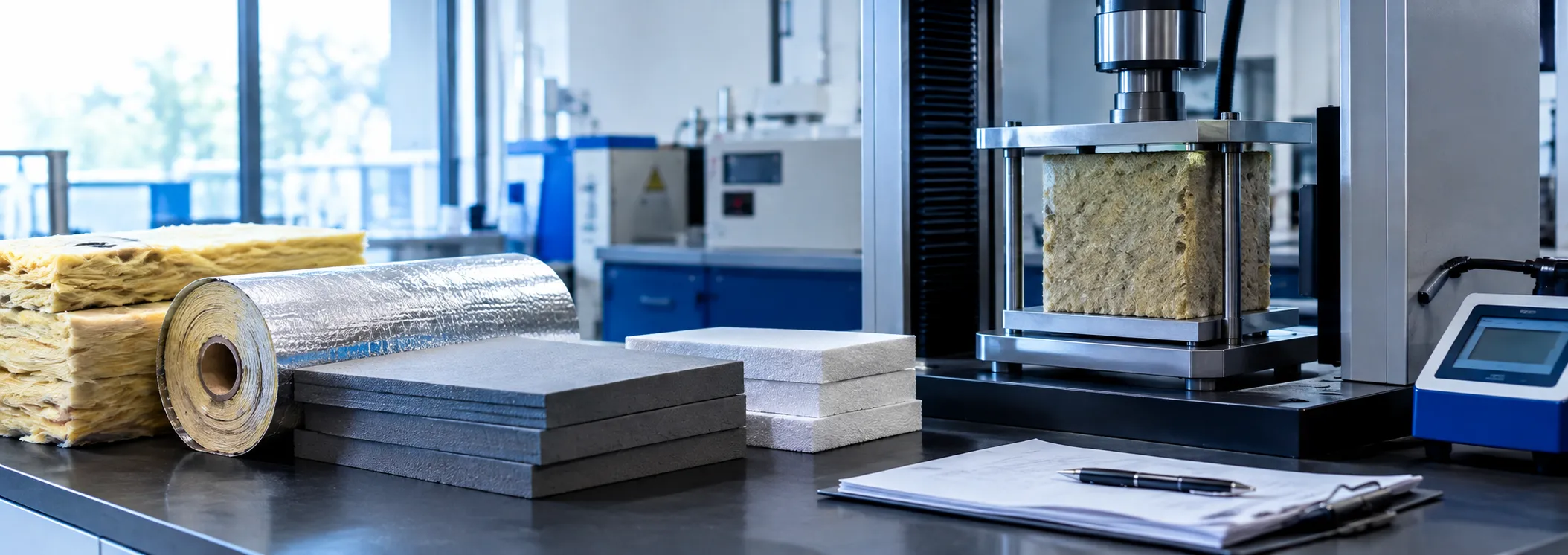
Insulation Material Testing Services in UAE
Insulation materials play an important role in improving energy efficiency, maintaining indoor comfort, and enhancing building safety. They are widely used in residential, commercial, and industrial construction to reduce heat transfer, control moisture, and support fire safety requirements. Insulation Material Testing Services in UAE help manufacturers, suppliers, contractors, and construction professionals evaluate the quality, durability, and performance of insulation products before they are used in building projects.
In the UAE, where high temperatures and demanding environmental conditions can place additional requirements on building materials, selecting suitable insulation is essential. Professional insulation testing helps determine whether materials meet specified performance criteria and applicable project requirements.
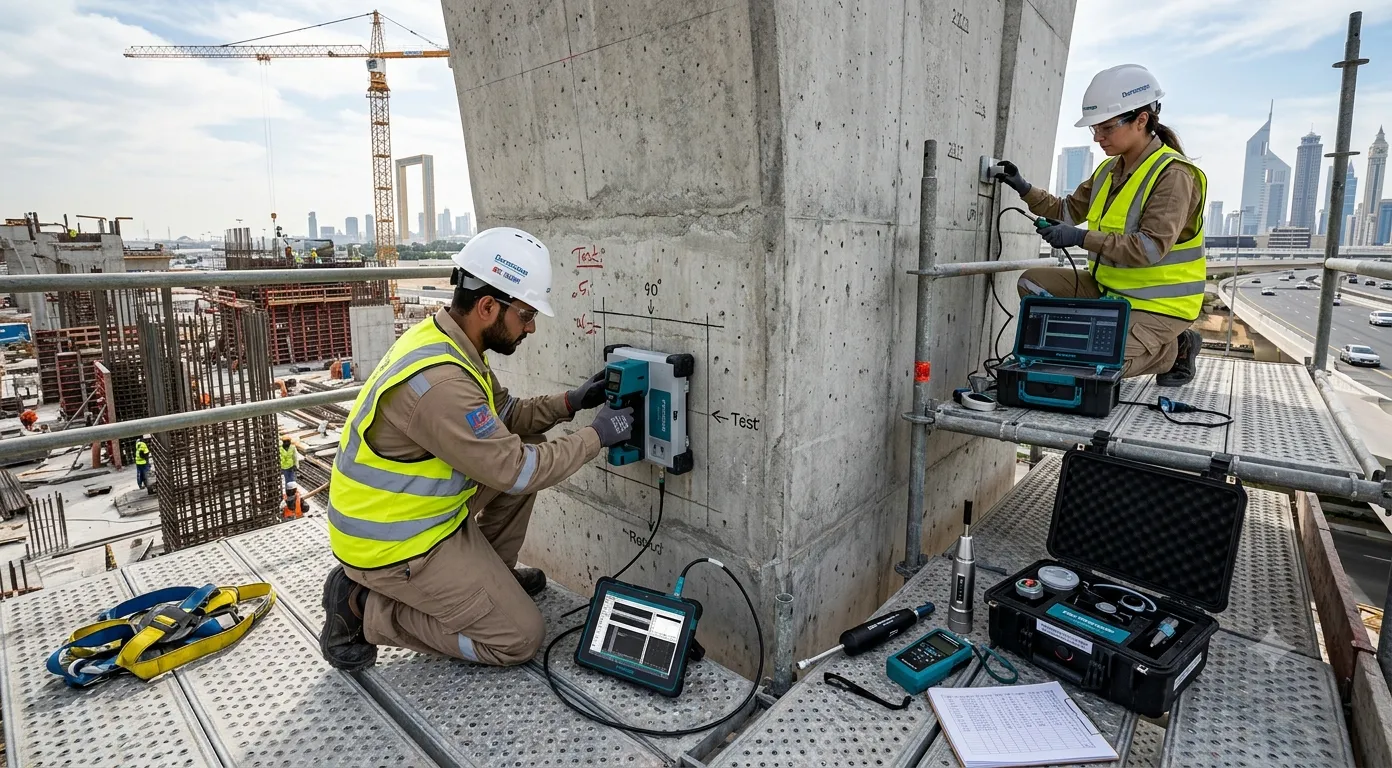
Duroscope Testing Laboratory LLC supports material quality assessment by helping businesses evaluate the relevant properties of construction and insulation materials.
What Is Insulation Material Testing?
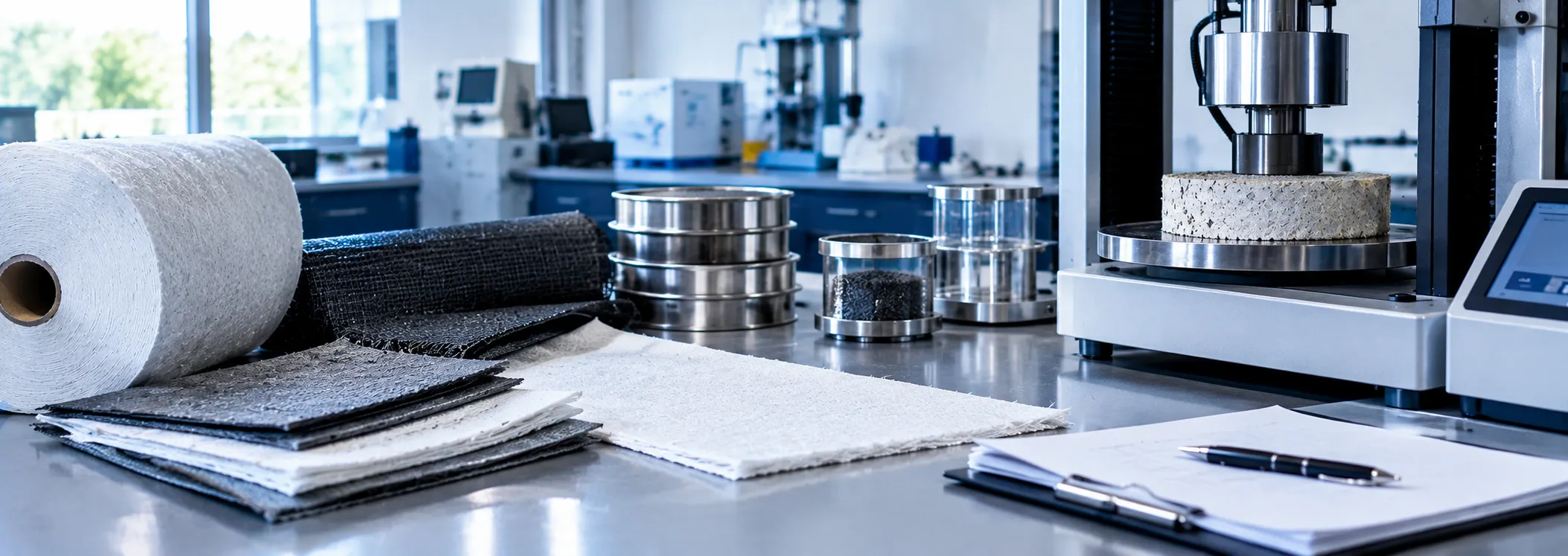
Insulation material testing involves evaluating the thermal, physical, mechanical, and fire-related properties of insulation products. These tests help establish how materials perform under specified conditions and whether they are suitable for their intended applications.
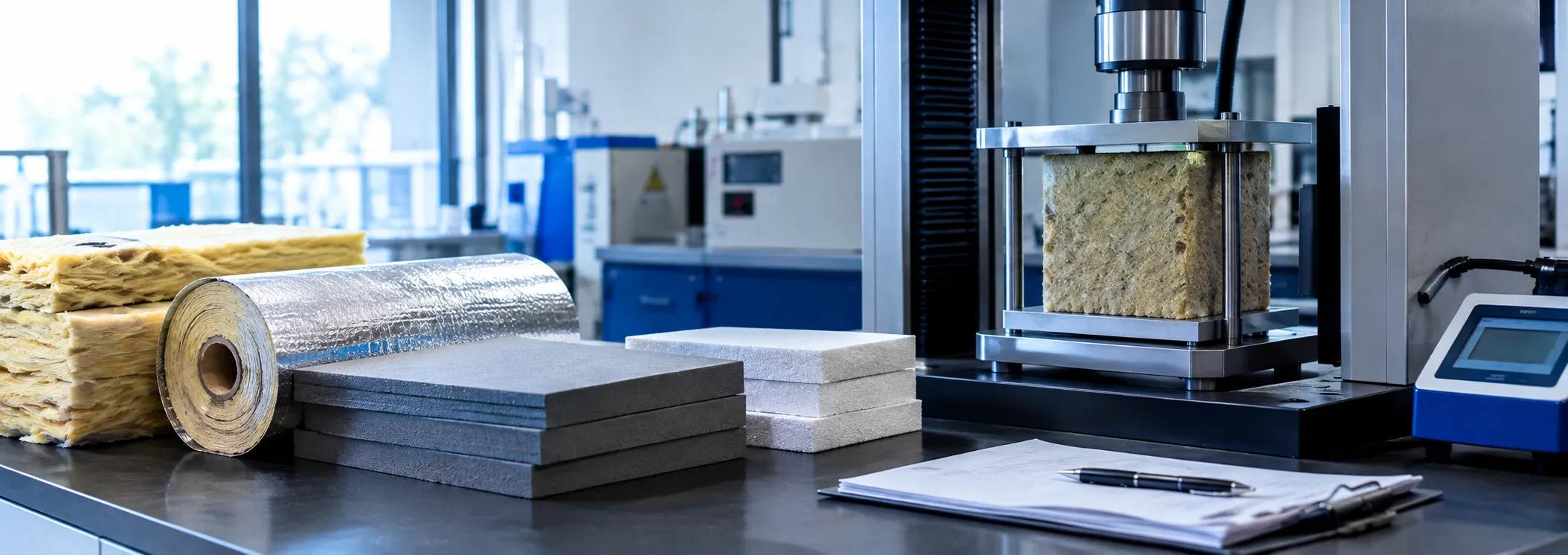
Common insulation materials include mineral wool, glass wool, expanded polystyrene (EPS), extruded polystyrene (XPS), polyurethane foam, polyisocyanurate insulation, and other thermal insulation products.
Testing requirements vary according to the material type, product specification, building application, and applicable standards.
Key Insulation Material Testing Services in UAE
Thermal Resistance Testing
Thermal resistance testing evaluates a material's ability to resist heat transfer. This property is important for insulation products used in roofs, walls, floors, ceilings, and building envelopes.
Testing can help determine whether an insulation product provides the specified thermal performance for its intended application. Reliable thermal insulation can contribute to reduced cooling demand and improved indoor comfort, particularly in the hot climate of the UAE.
Thermal Conductivity Testing
Thermal conductivity measures how readily heat passes through a material. Materials with lower thermal conductivity generally provide better insulation when compared under equivalent conditions and thicknesses.
This test is useful for evaluating insulation boards, foam products, mineral wool, and other thermal insulation materials. The results help designers and contractors compare products and select appropriate materials for building applications.
Fire Resistance and Reaction-to-Fire Testing
Fire performance is an important consideration when selecting insulation materials for buildings. Depending on the product and application, testing may evaluate reaction to fire, ignitability, flame spread, heat release, smoke production, or the fire resistance of a complete building assembly.
These are different assessments and should not be treated as interchangeable. The appropriate test method depends on the applicable building regulations, project specifications, and product requirements.
Professional fire-related testing helps construction stakeholders assess material performance and verify relevant requirements. Fire performance claims should be based on the appropriate test results and classification.
Moisture Absorption Testing
Moisture absorption testing evaluates the amount of water a material absorbs under specified conditions. Excessive moisture uptake can affect the thermal performance, dimensional stability, and durability of certain insulation products.
This assessment is particularly relevant for insulation used in roofs, external walls, foundations, and other areas exposed to humidity, condensation, or water contact.
Testing helps businesses compare products and determine whether their moisture-related properties meet the requirements of the intended application.
Compressive Strength Testing
Compressive strength testing measures an insulation material's ability to withstand compressive loads without excessive deformation or failure.
This property is important for insulation boards installed beneath floors, roofs, foundations, and other areas where the material may experience mechanical pressure.
The results help contractors and designers evaluate whether the product is appropriate for the expected loading conditions and project specifications.
Density Testing
Density testing determines the mass of insulation material per unit volume. Density can influence handling, mechanical behaviour, and other product characteristics, although it does not independently establish overall insulation performance.
Testing helps verify material consistency and compare product results against manufacturer specifications and relevant technical requirements.
Dimensional Stability Testing
Dimensional stability testing evaluates whether insulation products maintain their dimensions when exposed to specified temperature or humidity conditions.
Changes in dimensions may create gaps between insulation boards, affect installation quality, or reduce the effectiveness of a building's thermal envelope.
This assessment is valuable for insulation materials used in roofs, walls, floors, and prefabricated building systems.
Water Vapour Transmission Testing
Water vapour transmission testing evaluates how readily water vapour passes through a material under defined conditions. This property is important when designing building envelopes that need to manage condensation and moisture movement.
Understanding water vapour transmission can help construction professionals select suitable insulation systems and coordinate insulation with vapour-control layers and other building components.
Tensile and Flexural Strength Testing
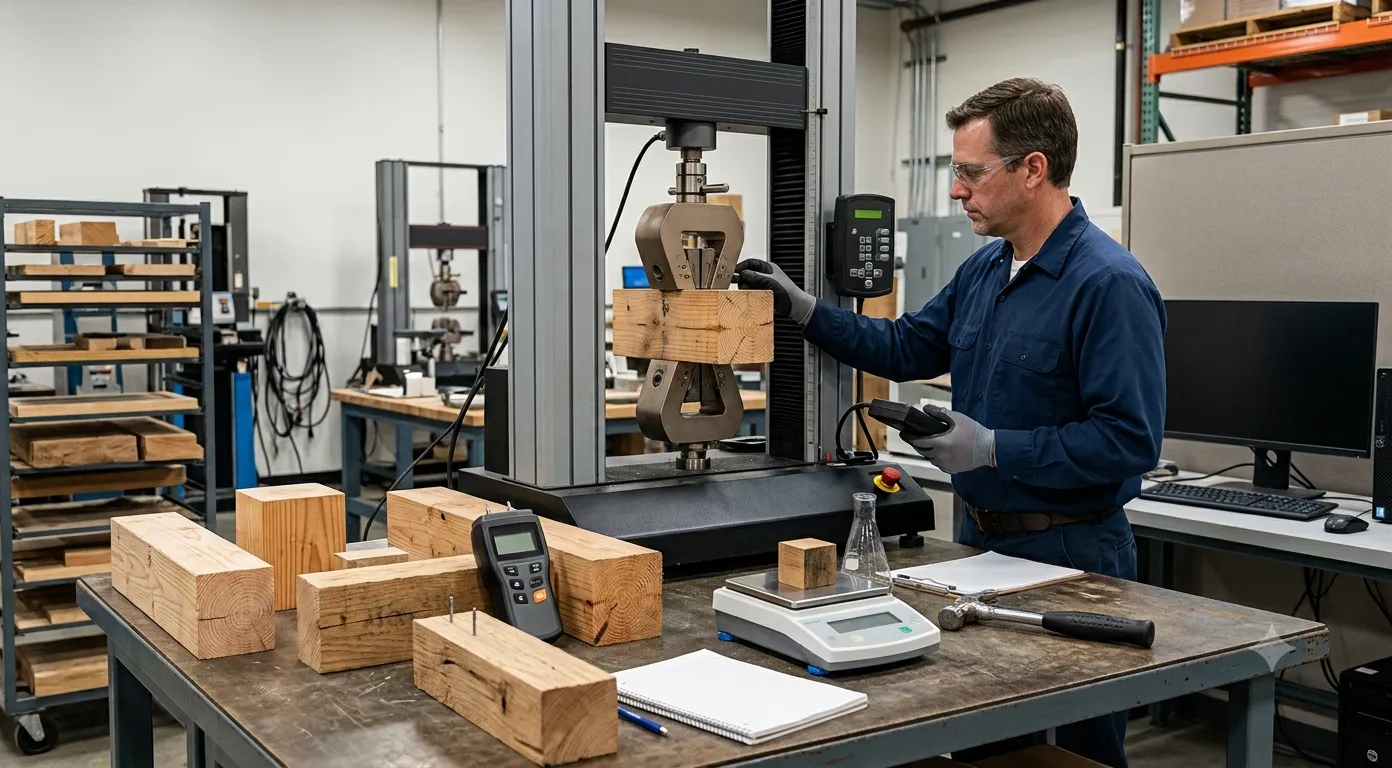
Depending on the material type, tensile or flexural testing may be used to assess resistance to pulling forces or bending. These properties can be relevant to insulation boards, composite products, and insulation materials that must withstand handling or installation stresses.
The appropriate mechanical test depends on the product's composition, form, and intended use.
Applications of Insulation Material Testing
Insulation material testing is relevant to a wide range of construction and industrial applications, including:
- Residential buildings: Thermal insulation for walls, roofs, floors, and ceilings.
- Commercial buildings: Insulation systems for offices, shopping centres, hotels, and other facilities.
- Industrial buildings: Insulation used in warehouses, factories, and selected industrial structures.
- Roofing systems: Insulation boards designed to support thermal performance and, where required, compressive loads.
- HVAC systems: Insulation products used to reduce heat transfer in ducts and building services.
- Cold storage facilities: Insulation materials used to help maintain controlled temperatures.
- Infrastructure projects: Insulation products selected according to project-specific performance requirements.
The testing programme should be selected according to the product's intended application and the performance characteristics that need to be verified.
Importance of Insulation Testing in the UAE
The UAE's hot climate makes thermal performance an important consideration in building design. Suitable insulation can help reduce unwanted heat gain, improve indoor comfort, and support energy-efficiency objectives.
Professional insulation material testing can help businesses:
- Verify thermal conductivity and insulation performance.
- Assess moisture absorption and related material properties.
- Evaluate relevant fire performance characteristics.
- Check compressive strength for load-bearing insulation applications.
- Identify inconsistencies between supplied products and specified requirements.
- Support construction quality assurance and material selection.
- Obtain test data for technical reviews and project documentation.
Testing does not automatically establish compliance with every building regulation or project requirement. Results should be assessed against the relevant specifications, standards, and applicable UAE requirements.
Insulation Testing Standards and Procedures
Insulation materials may be evaluated using applicable ASTM, ISO, EN, or other recognized test methods, depending on the material and the property being assessed.
For example, ASTM C518 is commonly used to measure steady-state thermal transmission properties using a heat flow meter apparatus. ASTM C177 covers thermal transmission measurements using a guarded hot plate. Other standards address properties such as water absorption, compressive behaviour, dimensional stability, and fire performance.
The correct method depends on the insulation product, specimen preparation, conditioning requirements, intended use, and project specifications. Fire testing in particular must follow the applicable method and classification requirements for the intended application.
Why Choose Duroscope Testing Laboratory LLC?
Selecting an appropriate testing provider helps construction professionals obtain meaningful information about insulation material performance. Duroscope Testing Laboratory LLC supports businesses seeking material testing solutions for construction and industrial applications.
A professional testing approach can help clients:
- Evaluate specified insulation material properties.
- Support material selection and product comparisons.
- Verify results against technical specifications.
- Identify potential quality issues before installation.
- Maintain testing records for quality-control purposes.
- Make informed decisions about construction material performance.
Specific test availability, accreditation status, and reporting capabilities should be confirmed directly with the laboratory before submitting samples.
Choose Reliable Insulation Material Testing Services in UAE
Insulation materials contribute to thermal efficiency, building comfort, and the performance of modern construction systems. Evaluating properties such as thermal resistance, thermal conductivity, fire performance, moisture absorption, and compressive strength helps businesses select products suited to their intended applications.
If you are looking for Insulation Material Testing Services in UAE, contact Duroscope Testing Laboratory LLC to discuss your project requirements and identify the appropriate testing methods for your insulation products.
Duroscope Testing Laboratory LLC — Supporting construction quality through professional material testing services in the UAE.