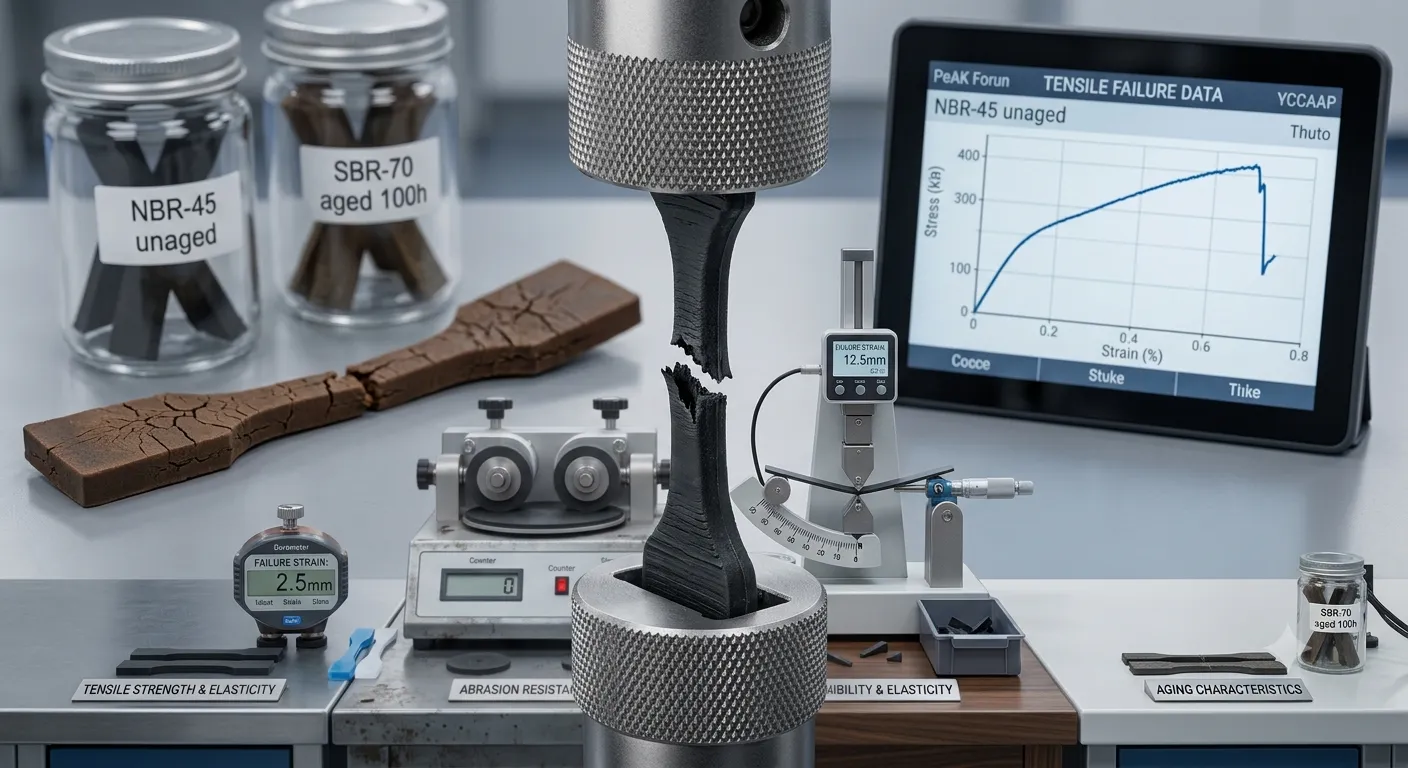
Rubber Testing Services in UAE
Rubber materials are widely used across construction, automotive, manufacturing, infrastructure, and industrial applications because of their flexibility, elasticity, and resistance to wear. However, rubber products must undergo proper testing to ensure they meet the required quality, safety, and performance standards. Rubber Testing Services in UAE help manufacturers, suppliers, contractors, and industrial businesses evaluate the physical and mechanical properties of rubber materials before they are used in demanding applications.
Duroscope Testing Laboratory LLC provides material testing solutions to help assess rubber quality, durability, and performance. Through appropriate testing procedures, businesses can identify material weaknesses, verify product specifications, and make informed decisions about rubber components used in industrial and commercial projects.
What Are Rubber Testing Services?
Rubber testing involves evaluating the physical, mechanical, and durability characteristics of rubber materials and finished rubber products. These assessments help determine whether rubber components can withstand stretching, pressure, friction, environmental exposure, and other operating conditions.
Professional rubber testing is important for quality control, product development, supplier verification, and compliance with applicable project specifications and industry standards.
Key Rubber Testing Services in UAE
Tensile Strength Testing
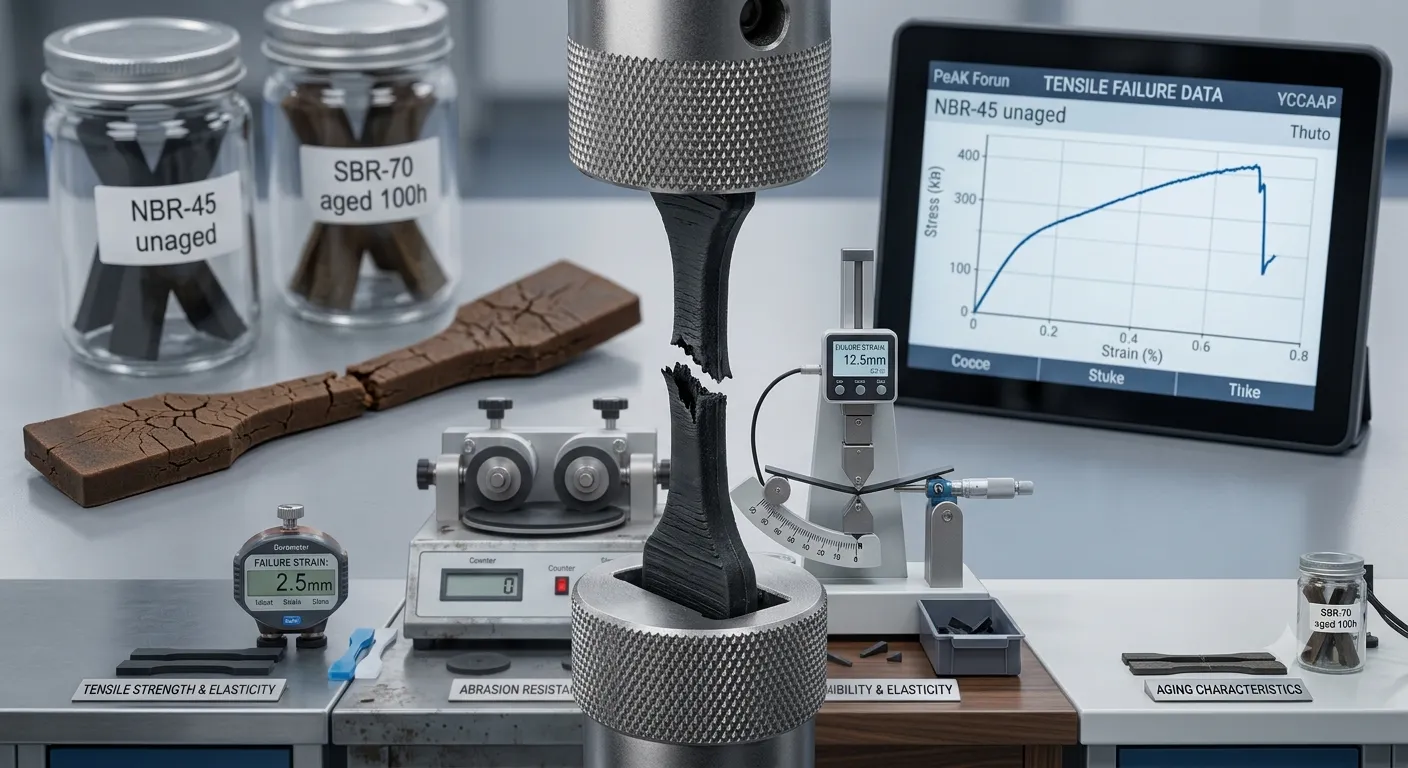
Tensile strength testing evaluates the maximum pulling force that a rubber specimen can withstand before breaking. It helps determine the material's strength and suitability for applications involving stretching or tension.
This test is useful for rubber sheets, seals, hoses, gaskets, belts, and other industrial rubber components.
Elongation at Break Testing
Elongation at break measures how much a rubber material can stretch before it breaks. This property provides valuable information about flexibility and deformation capacity.
Testing elongation helps assess whether rubber products can accommodate movement and stretching during normal operating conditions.
Elasticity and Resilience Testing
Elasticity testing evaluates a rubber material's ability to return to its original shape after deformation. Resilience testing assesses its ability to recover energy following impact or deformation.
These properties are particularly important for vibration-control components, rubber pads, seals, shock absorbers, and other products exposed to repeated mechanical stress.
Abrasion Resistance Testing
Abrasion resistance testing measures how well rubber withstands surface wear caused by friction and repeated contact with other materials.
This assessment is relevant to conveyor belts, rubber flooring, tyres, industrial rollers, and other products exposed to frequent wear. Understanding abrasion resistance helps businesses select materials suitable for their intended applications.
Hardness Testing
Rubber hardness testing determines a material's resistance to indentation. Hardness is commonly assessed using suitable methods, such as Shore A or Shore D durometers, depending on the material and applicable test requirements.
The results help verify product consistency and determine whether a rubber component meets its specified hardness range.
Aging and Weather Resistance Testing
Rubber can deteriorate over time due to heat, oxygen, ultraviolet exposure, ozone, and other environmental conditions. Aging tests assess changes in properties such as tensile strength, elongation, hardness, and flexibility after controlled exposure.
These evaluations help determine whether rubber materials are appropriate for applications involving prolonged service, outdoor exposure, or elevated temperatures. The specific aging method depends on the intended use and relevant requirements.
Compression Set Testing
Compression set testing evaluates the ability of rubber to recover its original thickness after being compressed for a specified period under defined conditions.
This property is important for gaskets, O-rings, seals, and vibration-isolation components that must maintain effective contact and sealing performance over time.
Tear Strength Testing
Tear strength testing measures a rubber material's resistance to the growth of a tear when force is applied. It helps assess durability in products exposed to mechanical stress, sharp edges, repeated movement, or demanding operating conditions.
Density and Specific Gravity Testing
Density and specific gravity testing help determine the mass-to-volume characteristics of rubber materials. These measurements can support material identification, formulation consistency, production quality control, and comparison against specified product requirements.
Applications of Rubber Testing
Rubber testing is important for a wide range of industries and products, including:
- Construction: Rubber expansion joints, seals, gaskets, flooring, and vibration-isolation materials.
- Automotive: Rubber hoses, belts, tyres, seals, mounts, and other vehicle components.
- Manufacturing: Industrial rollers, conveyor belts, rubber sheets, and moulded components.
- Infrastructure: Bridge bearings, protective pads, waterproofing components, and flexible joints.
- Electrical and industrial equipment: Insulating rubber components, protective coverings, and flexible connections.
The appropriate tests depend on the material composition, product design, intended application, and relevant technical specifications.
Importance of Rubber Quality Testing in UAE
Rubber products used in the UAE may be exposed to high temperatures, intense sunlight, dust, and demanding operating environments. Selecting suitable rubber materials and verifying their properties can help businesses reduce the risk of premature deterioration and product failure.
Professional rubber material testing can help to:
- Verify mechanical properties and material consistency.
- Assess resistance to abrasion, tearing, and deformation.
- Evaluate the effects of heat and environmental aging.
- Support quality assurance and supplier evaluation.
- Identify potential material weaknesses before installation or use.
- Provide test results for technical documentation and project quality control.
Testing should be selected according to the applicable product requirements and recognized standards. No single test can establish suitability for every application.
Rubber Testing Standards and Procedures
Rubber testing may be conducted using relevant ASTM, ISO, or other applicable standards, depending on the property being evaluated and the requirements of the project. Examples include ASTM D412 for tensile properties of vulcanized rubber and thermoplastic elastomers, ASTM D2240 for durometer hardness, and ASTM D395 for compression set.
The applicable standard, specimen preparation, conditioning requirements, test method, and acceptance criteria should be confirmed for each material and application. Compliance should only be claimed when supported by the relevant test results and assessment requirements.
Why Choose Duroscope Testing Laboratory LLC?
Choosing a suitable testing laboratory is an important part of maintaining material quality and reliability. Duroscope Testing Laboratory LLC supports businesses seeking material testing services for construction and industrial applications.
A professional testing approach can help clients:
- Assess specified rubber material properties.
- Obtain test results for quality-control purposes.
- Compare material performance against project specifications.
- Support material selection and supplier evaluation.
- Make informed decisions about product suitability and durability.
The availability of individual tests and applicable accreditation or certification should be confirmed directly with the laboratory before placing a testing request.
Choose Reliable Rubber Testing Services in UAE
Reliable rubber components are essential for the safety, efficiency, and durability of many industrial and construction applications. From tensile strength and elongation to abrasion resistance, hardness, compression set, and aging characteristics, rubber testing provides valuable information about material performance.
If you are looking for Rubber Testing Services in UAE, contact Duroscope Testing Laboratory LLC to discuss your testing requirements and identify suitable assessment methods for your rubber materials or products.
Duroscope Testing Laboratory LLC — Supporting material quality through professional testing services in the UAE.