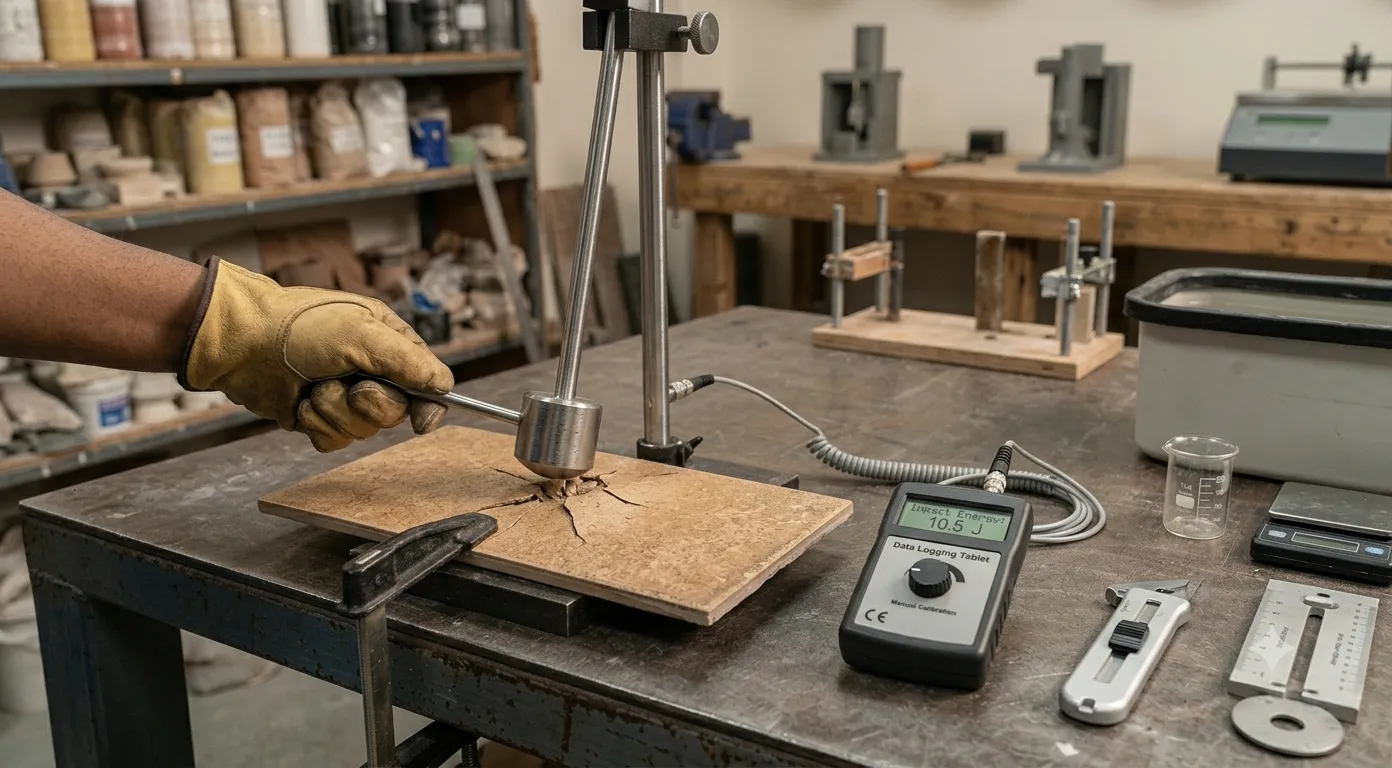
Tile Testing Services in UAE: Ensuring Quality, Safety, and Durability
Tiles are widely used in residential, commercial, and industrial construction projects across the UAE. From flooring and wall cladding to bathrooms, kitchens, outdoor areas, and commercial spaces, tiles play an important role in both aesthetics and building performance. However, tile quality can vary depending on the raw materials, manufacturing process, surface finish, and intended application. Professional Tile Testing Services in UAE help manufacturers, suppliers, contractors, and developers assess tile properties and verify whether products meet applicable quality standards and project specifications.
At Duroscope Testing Laboratory LLC, tile testing supports the evaluation of important physical and mechanical properties, helping businesses make informed decisions about tile selection, quality control, and suitability for specific applications.
What Are Tile Testing Services?
Tile testing involves assessing the physical, mechanical, and performance characteristics of ceramic, porcelain, and other types of tiles. These tests help determine how tiles respond to impact, moisture, loading, surface conditions, and everyday wear.
In the UAE, where tiles are used in diverse indoor and outdoor environments, selecting appropriate products is essential for long-term performance. Testing helps identify potential weaknesses, assess product consistency, and support compliance with relevant standards and construction requirements.
Key Tile Testing Services in UAE
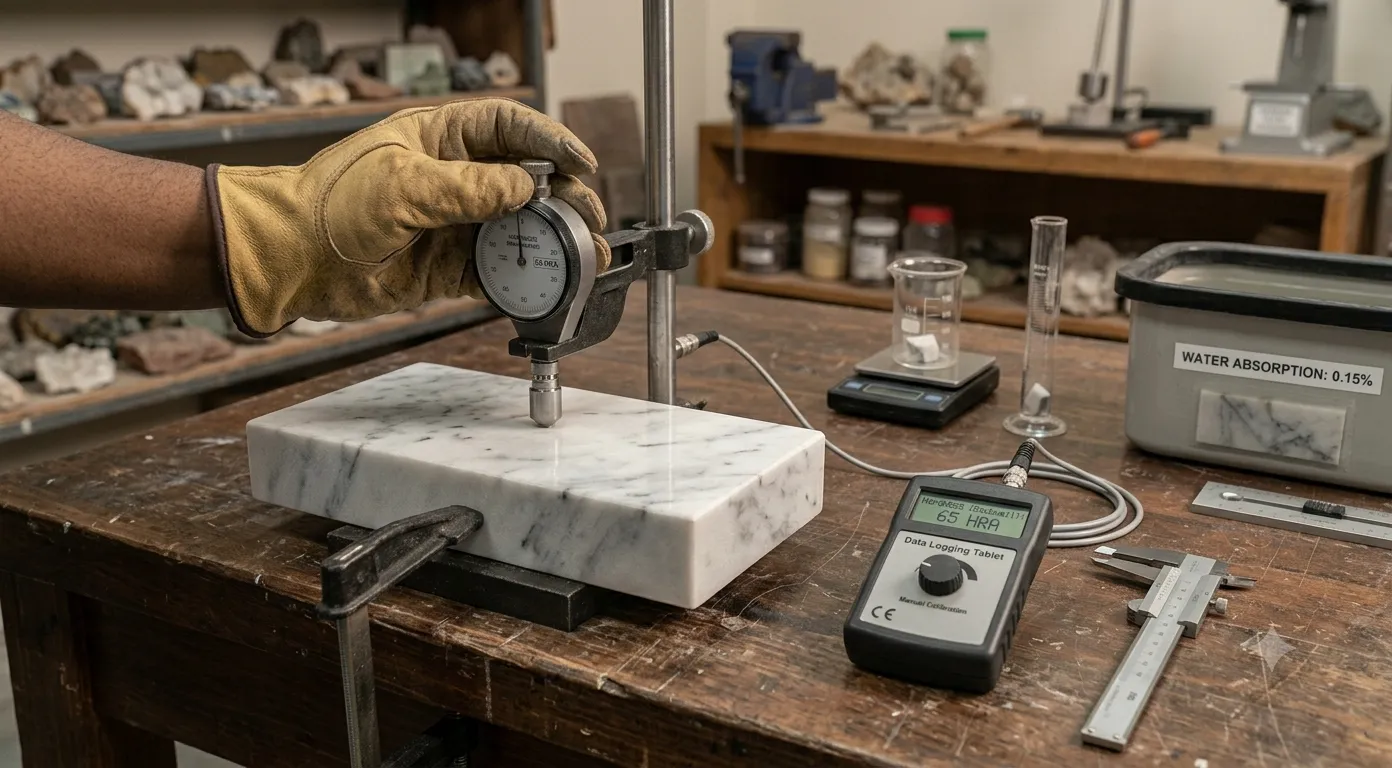
Tile Water Absorption Testing
Water absorption is an important property used to classify tiles and assess their suitability for different applications. The amount of water absorbed can vary according to tile composition, porosity, and manufacturing method.
Water absorption testing measures the quantity of water absorbed under specified test conditions. The results help distinguish between tile types, including products with low water absorption, such as many porcelain tiles, and more porous ceramic tiles.
This testing is useful when selecting tiles for bathrooms, kitchens, wet areas, exterior applications, and other locations where moisture exposure is a consideration. The acceptance criteria depend on the tile classification and applicable standard.
Tile Slip Resistance Testing
Slip resistance is an important safety consideration for tiled surfaces, particularly in areas exposed to water, cleaning products, or frequent foot traffic.
Slip resistance testing evaluates the frictional performance of a tile surface using a specified test method. The appropriate method and acceptance criteria depend on the intended application, surface finish, footwear conditions, and whether the area is expected to be wet or dry.
These assessments are particularly relevant for:
- Bathrooms and shower areas
- Swimming pool surroundings
- Commercial kitchens
- Shopping centres and public buildings
- Outdoor walkways and entrances
- Industrial and high-traffic flooring
Selecting tiles based on suitable slip resistance characteristics can help reduce slip hazards when combined with proper installation, drainage, cleaning, and maintenance.
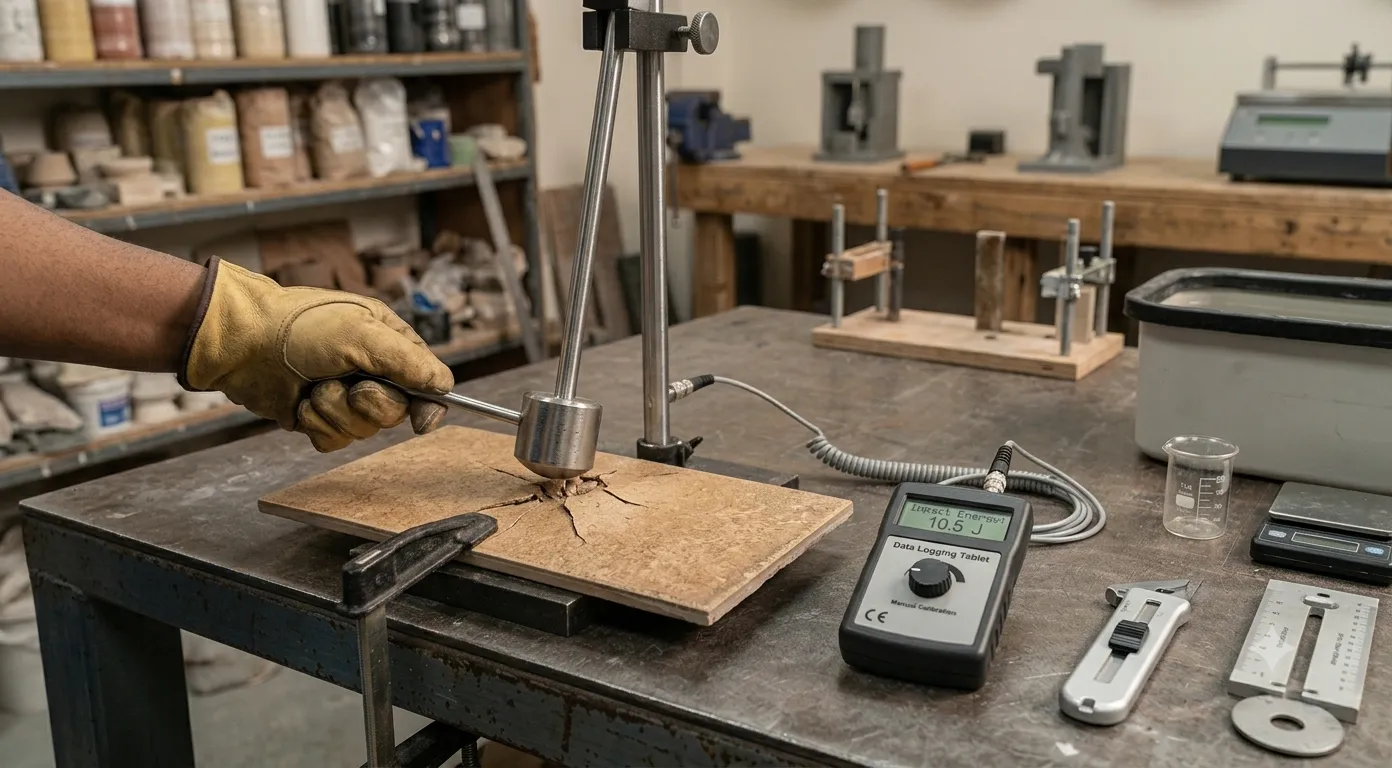
Tile Impact Resistance Testing
Tiles may experience impacts from dropped objects, moving equipment, furniture, or everyday use. Impact resistance testing evaluates how a tile responds to impact under defined test conditions.
The assessment can help identify products that may be more susceptible to cracking, chipping, or other forms of damage. Test methods vary according to tile type and the intended performance requirement.
Impact-related performance is especially relevant for commercial floors, industrial spaces, public buildings, and areas exposed to frequent use.
Tile Breaking Strength and Flexural Strength Testing
Mechanical strength is essential for tiles used in flooring, wall installations, and other architectural applications. Testing evaluates a tile's ability to withstand specified mechanical forces before failure.
Depending on the applicable standard, assessments may include breaking strength and modulus of rupture or flexural strength. These properties help assess the mechanical performance of tiles under defined loading conditions.
Strength testing is particularly useful for evaluating tiles intended for high-traffic areas, commercial construction, and applications where mechanical loading is an important consideration.
Tile Abrasion Resistance Testing
Floor tiles can experience repeated friction from footwear, furniture movement, cleaning activities, and wheeled equipment. Abrasion resistance testing evaluates how a tile surface responds to wear under specified test conditions.
This assessment is useful for comparing products intended for different traffic levels and service environments. It can help manufacturers and buyers evaluate the suitability of tile surfaces for residential flooring, retail spaces, offices, and other commercial applications.
The appropriate abrasion test depends on whether the product is glazed, unglazed, ceramic, or another tile type.
Tile Dimensional and Surface Quality Testing
Tile dimensions, flatness, and surface appearance affect installation accuracy and the finished appearance of a tiled area. Variations in tile dimensions or shape can result in uneven joints, alignment issues, and installation difficulties.
Dimensional and surface quality assessments may include:
- Length and width measurements
- Thickness assessment
- Straightness of sides
- Rectangularity
- Surface flatness
- Visible defects and surface finish
- Colour and appearance consistency, where specified
These evaluations help assess whether tiles conform to the dimensional tolerances and quality requirements defined for a product or construction project.
Why Is Tile Testing Important?
Professional tile testing provides technical information that supports material selection, quality assurance, and construction planning.
Key benefits include:
- Quality verification: Helps assess whether tiles meet specified performance and dimensional requirements.
- Safety assessment: Provides information about slip resistance for relevant flooring applications.
- Durability evaluation: Helps assess resistance to abrasion, impact, and mechanical stress.
- Moisture performance: Determines water absorption characteristics under specified test conditions.
- Product consistency: Supports quality control across manufacturing batches and supplied products.
- Informed procurement: Helps buyers compare tile products against project specifications.
- Standards compliance support: Provides test results for comparison with applicable standards and acceptance criteria.
Testing results should always be interpreted in relation to the tile type, test method, intended use, and relevant specification.
Applications of Tile Testing
Tile testing is relevant to a wide range of industries and construction applications, including:
- Residential buildings and apartments
- Commercial offices and retail spaces
- Hotels and hospitality projects
- Hospitals and healthcare facilities
- Bathrooms, kitchens, and wet areas
- Outdoor flooring and walkways
- Swimming pool surroundings
- Industrial buildings and warehouses
- Infrastructure and public construction projects
Different applications require different performance characteristics. For example, a floor tile used in a busy commercial space may require particular attention to abrasion and mechanical performance, while tiles used in wet areas may require careful evaluation of slip resistance and water-related properties.
Tile Testing Standards and Compliance in UAE
Tile testing should follow appropriate, recognized methods based on the tile material, product classification, and project requirements. Depending on the tile type and the property being assessed, applicable standards may include relevant ISO, EN, ASTM, or other recognized testing methods.
For ceramic tiles, the ISO 10545 series includes methods for assessing properties such as water absorption, breaking strength, abrasion resistance, dimensions, and other performance characteristics. Slip resistance testing may require a separate method suited to the intended use.
The relevant test standard and acceptance limits should be confirmed before testing. A test report provides evidence of the properties assessed, but compliance must be determined against the applicable product specification or project requirements.
Why Choose Duroscope Testing Laboratory LLC?
Choosing a reliable testing partner helps businesses obtain useful information about the quality and performance of their construction materials.
Duroscope Testing Laboratory LLC supports material testing and quality assessment with an emphasis on technical evaluation, quality-focused procedures, and dependable reporting.
Our approach focuses on:
- Quality Excellence: Supporting consistent assessment of material properties.
- Technical Evaluation: Identifying suitable testing requirements based on the product and intended application.
- Quality Assurance Support: Helping businesses evaluate materials against specified requirements.
- Customer-Focused Service: Supporting manufacturers, importers, suppliers, contractors, and project developers.
- Informed Decision-Making: Providing test results that assist with material selection and quality control.
Contact Duroscope Testing Laboratory LLC to discuss your tile testing requirements and determine the appropriate scope of testing for your products or construction project.
Conclusion
Tile quality influences the safety, appearance, and long-term performance of tiled surfaces. Evaluating water absorption, slip resistance, impact resistance, mechanical strength, abrasion resistance, and dimensional accuracy helps manufacturers and construction professionals understand product characteristics and suitability.
With professional Tile Testing Services in UAE, businesses can support quality assurance, make informed procurement decisions, and assess whether tiles meet the requirements of their intended applications. Duroscope Testing Laboratory LLC helps customers evaluate important tile properties in accordance with applicable testing methods and project specifications.