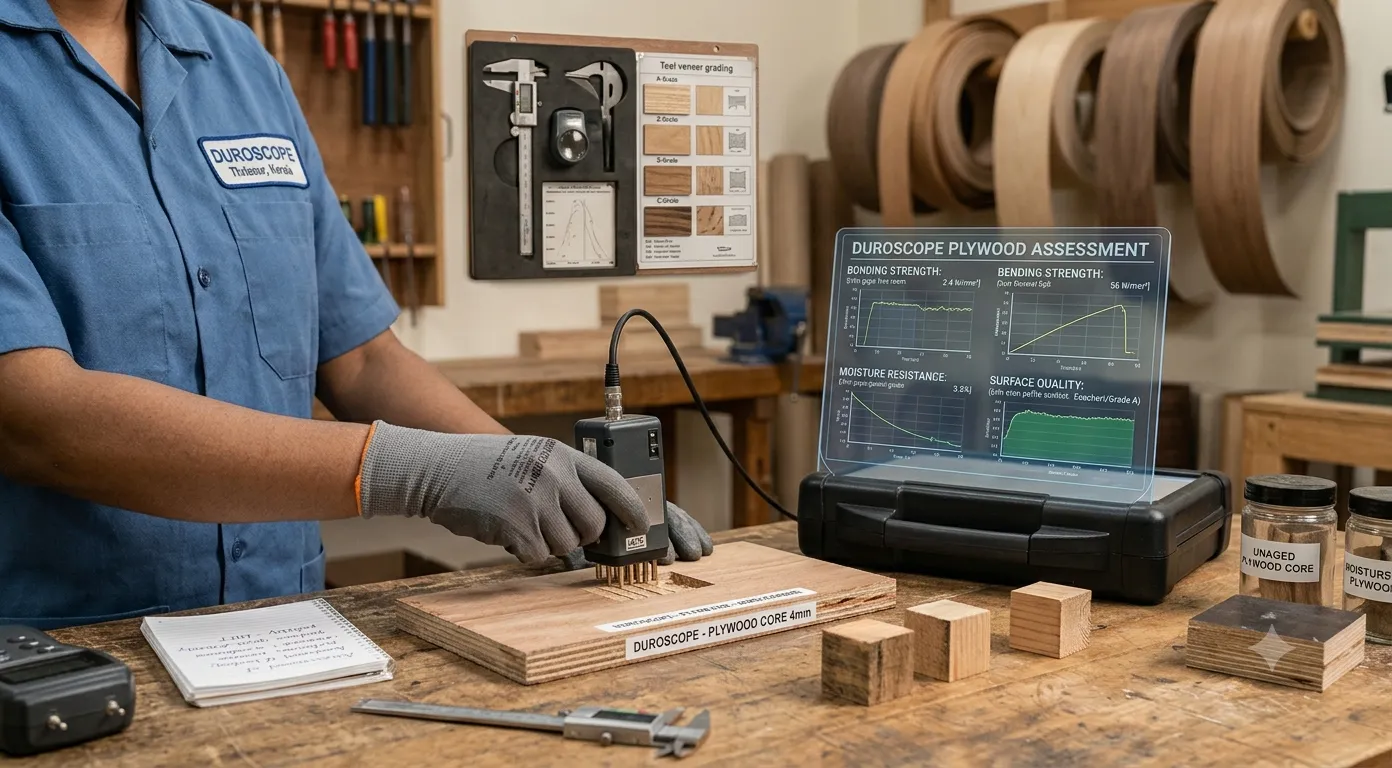
Plywood Testing Services in UAE: Ensuring Strength, Quality, and Durability
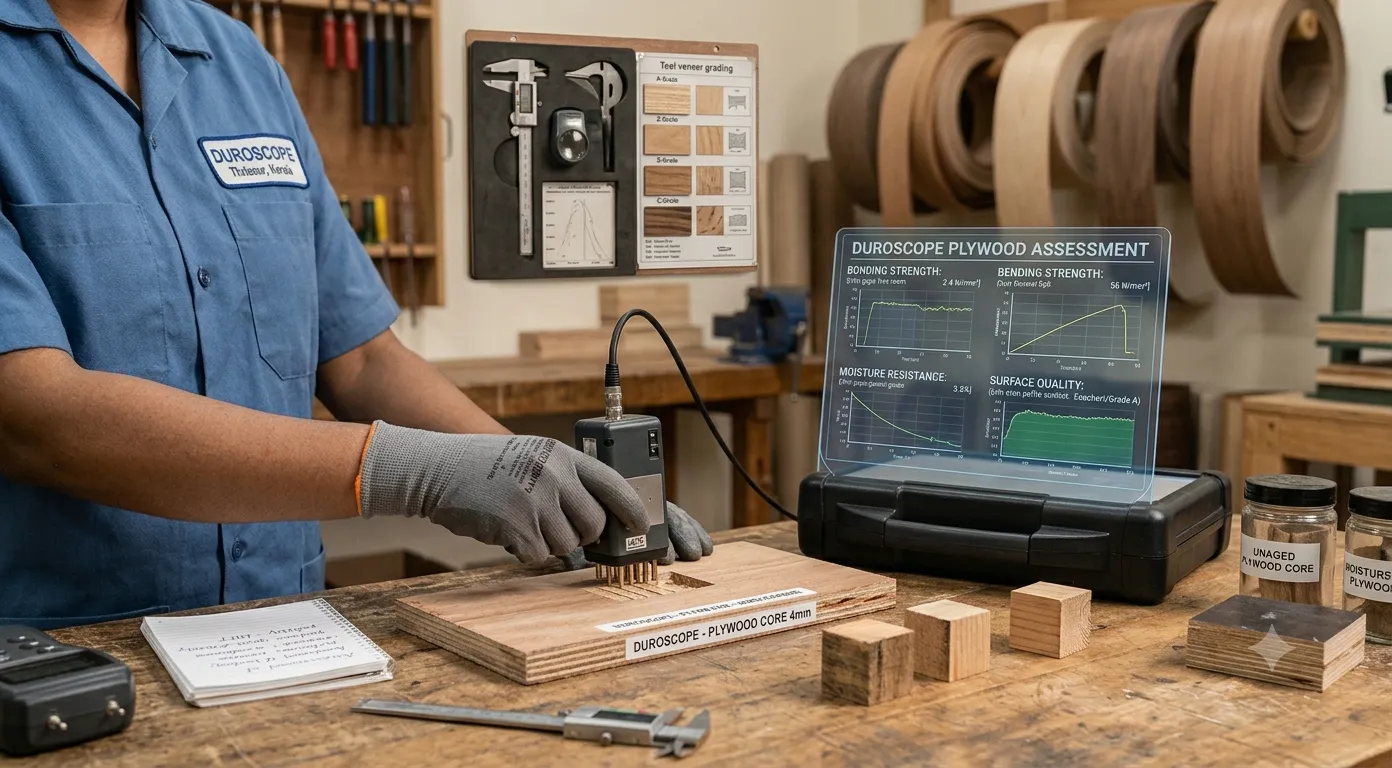
Plywood is widely used in construction, furniture manufacturing, interior design, flooring, roofing, and architectural applications. Its strength, stability, and versatility make it an essential building material for residential, commercial, and industrial projects. However, the quality of plywood depends on several factors, including bonding strength, bending performance, moisture resistance, dimensional stability, and surface quality. Professional Plywood Testing Services in UAE help manufacturers, suppliers, contractors, and project developers assess these properties and verify that plywood is suitable for its intended application.
At Duroscope Testing Laboratory LLC, plywood testing supports material quality assessment by evaluating key physical and mechanical properties. Reliable testing helps identify potential defects, maintain consistent product quality, and support compliance with applicable project specifications and recognized testing standards.
What Are Plywood Testing Services?
Plywood testing involves evaluating the physical, mechanical, and durability-related properties of plywood sheets. These assessments help determine whether a product can withstand the loads, environmental conditions, and usage requirements expected in its intended application.
Professional plywood testing is particularly important for construction projects in the UAE, where temperature variations, humidity, and demanding site conditions can affect building materials. Testing provides useful information for manufacturers, importers, distributors, architects, and contractors who need to make informed material-selection decisions.
Key Plywood Testing Services in UAE
Plywood Bonding Strength Testing
Bonding strength is an important factor in plywood quality. Plywood consists of multiple layers of wood veneer bonded together using adhesives. If the bonding between these layers is inadequate, the plywood may experience delamination, separation, or reduced structural performance.
Bonding strength testing evaluates the integrity of the adhesive bond between veneer layers. It helps assess whether the plywood is suitable for its intended use and whether the bonding performance meets the applicable product requirements.
Plywood Bending Strength Testing
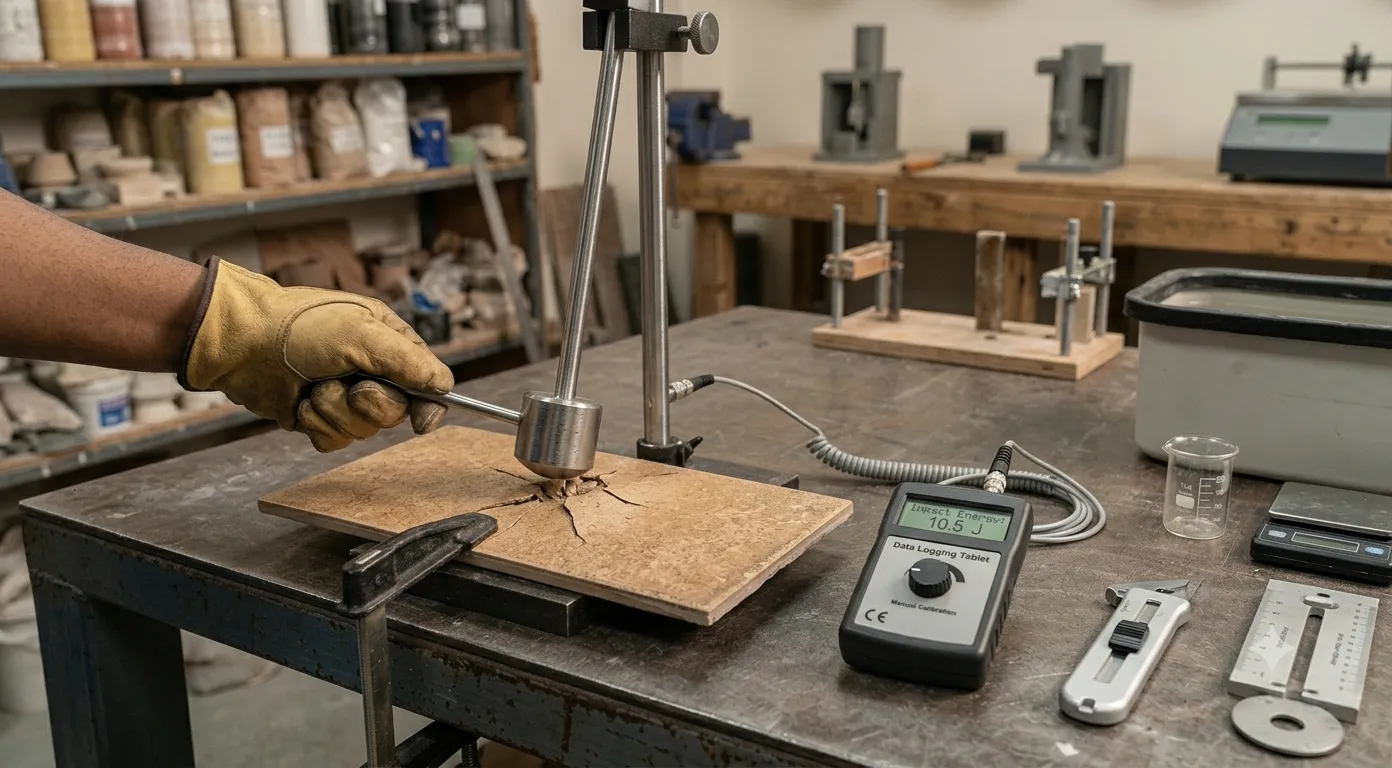
Bending strength is essential when plywood is used in applications involving loads or unsupported spans. This testing evaluates the ability of plywood to resist bending forces without excessive deformation or failure.
The results help assess the mechanical performance of plywood used in furniture, flooring systems, partitions, formwork, and other construction applications. Depending on the applicable test method, properties such as flexural strength and stiffness may be evaluated.
Plywood Moisture Resistance Testing
Moisture can affect plywood stability, bonding performance, and long-term durability. Exposure to water or humid conditions may cause swelling, warping, or deterioration, depending on the plywood grade, adhesive system, and exposure conditions.
Moisture resistance testing evaluates relevant properties such as water absorption, thickness swelling, and bond durability after specified conditioning or exposure. These assessments help determine whether the plywood is appropriate for its intended environmental conditions.
Testing results should be interpreted according to the applicable plywood classification and test standard. Moisture-resistant plywood should not automatically be considered waterproof or suitable for continuous water exposure.
Plywood Surface Quality Inspection
Surface quality plays a significant role in the appearance, usability, and finishing performance of plywood. Surface inspection helps identify visible defects that may affect the material's suitability for decorative, architectural, or structural applications.
Depending on the product requirements, inspection may assess:
- Cracks, splits, and visible surface damage
- Veneer gaps, overlaps, and irregularities
- Surface roughness and unevenness
- Knots, patches, and other visible defects
- Dimensional consistency and edge condition
These checks help manufacturers and buyers evaluate plywood quality before installation, finishing, or further processing.
Plywood Thickness and Dimensional Testing
Accurate thickness and dimensions are important for installation, fabrication, and consistency across plywood sheets. Variations in thickness or panel dimensions can affect joint alignment, fitting, surface finishing, and overall construction quality.
Dimensional testing assesses specified measurements against product requirements and relevant tolerances. This is particularly useful for plywood used in cabinetry, furniture, wall panels, flooring, and construction systems.
Plywood Density and Physical Property Assessment
Plywood density can influence weight, handling, machining, and certain performance characteristics. Physical property assessment helps establish whether the material is consistent with its specified grade and intended application.
Depending on the requirements, testing may include density, moisture content, thickness, and other relevant physical properties. These results can support quality control during manufacturing and material verification during procurement.
Why Is Plywood Testing Important?
Professional plywood testing provides valuable information about material quality and performance. It can help businesses:
- Verify product quality: Assess whether plywood meets specified physical and mechanical requirements.
- Evaluate bonding integrity: Identify potential weaknesses that may contribute to veneer separation.
- Assess durability: Understand how plywood responds to specified moisture exposure and conditioning.
- Support construction quality: Help ensure materials are appropriate for their intended applications.
- Improve manufacturing consistency: Monitor product variations and support quality-control procedures.
- Make informed purchasing decisions: Provide technical evidence for comparing plywood products and suppliers.
- Support compliance: Generate test results that can be compared with applicable standards, specifications, and project requirements.
Applications of Plywood Testing
Plywood testing is relevant across several industries and applications, including:
- Residential and commercial construction
- Furniture and cabinet manufacturing
- Interior design and decorative panels
- Flooring and wall systems
- Roofing and general building applications
- Concrete formwork and shuttering
- Packaging and industrial applications
- Imported plywood inspection and quality control
The required tests depend on the plywood grade, intended use, exposure conditions, and applicable specifications. Structural plywood may require different assessments from decorative or general-purpose plywood.
Plywood Testing Standards and Quality Requirements
Plywood testing should be performed using suitable, recognized test methods based on the product type and intended application. Depending on the specification, relevant standards may include applicable ISO, EN, ASTM, or other recognized plywood testing methods.
The appropriate standard should be selected according to the required property, plywood classification, and project or regulatory requirements. A test result alone does not establish compliance with every building code or architectural requirement; the results must be assessed against the relevant acceptance criteria.
Why Choose Duroscope Testing Laboratory LLC?
Selecting a reliable testing laboratory is an important step in evaluating plywood quality. Duroscope Testing Laboratory LLC supports material quality assessment through a focus on technical evaluation, testing accuracy, and dependable reporting.
Our approach emphasizes:
- Quality Excellence: Supporting consistent material assessment and reliable testing practices.
- Technical Evaluation: Assessing relevant plywood properties according to the agreed testing scope.
- Quality Assurance Support: Helping businesses evaluate materials against applicable specifications.
- Customer-Focused Service: Supporting manufacturers, suppliers, contractors, and project stakeholders with their testing requirements.
- Informed Decision-Making: Providing test results that help customers assess material suitability and quality.
Contact Duroscope Testing Laboratory LLC to discuss your plywood testing requirements and identify the appropriate testing scope for your product or project.
Conclusion
Plywood quality is essential for dependable construction, furniture manufacturing, and architectural applications. Evaluating bonding strength, bending performance, moisture resistance, surface quality, and dimensional consistency helps businesses understand material performance and identify potential quality concerns.
With professional Plywood Testing Services in UAE, manufacturers, suppliers, contractors, and importers can make better-informed decisions about plywood selection and quality control. Duroscope Testing Laboratory LLC supports this process by helping customers assess important material properties in line with applicable testing requirements and project specifications.